Expertise Areas
*hover me*
CREATIVITY & AESTHETICS
Creativity & Aesthetics evolved from an intuitive aspect of my work into something I can consciously guide. In earlier projects, I perceived brainstorming as waiting for ideas to suddenly come to me, before the design process.
Later have I realized that ideas are actually the end goal of the design process for me. Over time, and especially through more research-oriented projects, I realized how ideas emerge from interactions with materials, technologies, people and reflections. Then, creativity became less about generating ideas and more about recognizing and connecting emerging opportunities.
At the same time, I became increasingly attentive to aesthetics beyond the final outcome. Visual coherence across the produced artefacts, documentation and presentations helped me gradually develop a more recognizable and personal visual language.
USER & SOCIETY
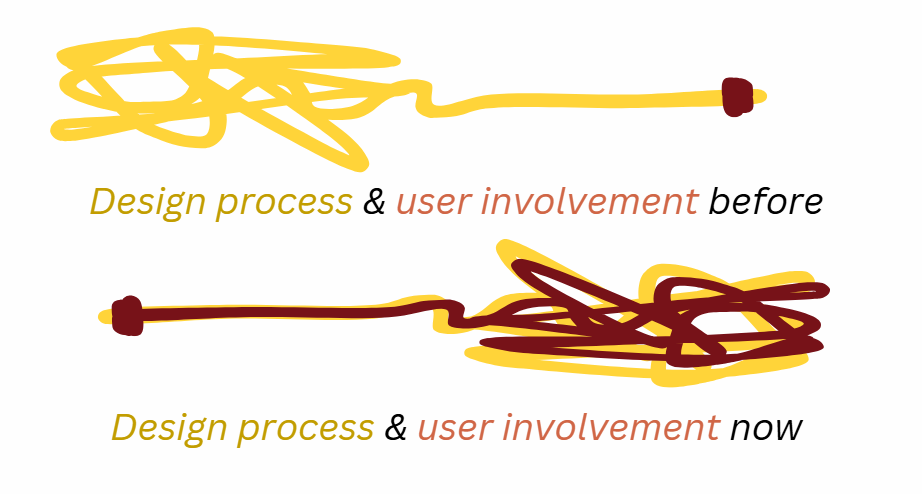
Throughout the bachelor, my understanding of User & Society shifted from validation towards collaboration. While early projects used user involvement mainly to confirm decisions, I gradually learned to involve people in shaping the direction of a project.
Most recently, during my FBP, I became more attentive to designing the participation itself, considering not only the information I hoped to collect, but also what participants would experience and understand throughout the process.
As a result, User & Society became a source of ideas rather than a method of validation. Just as making allows me to learn through materials and technologies, equally, involving people allows me to learn through their experiences, perspectives and needs.
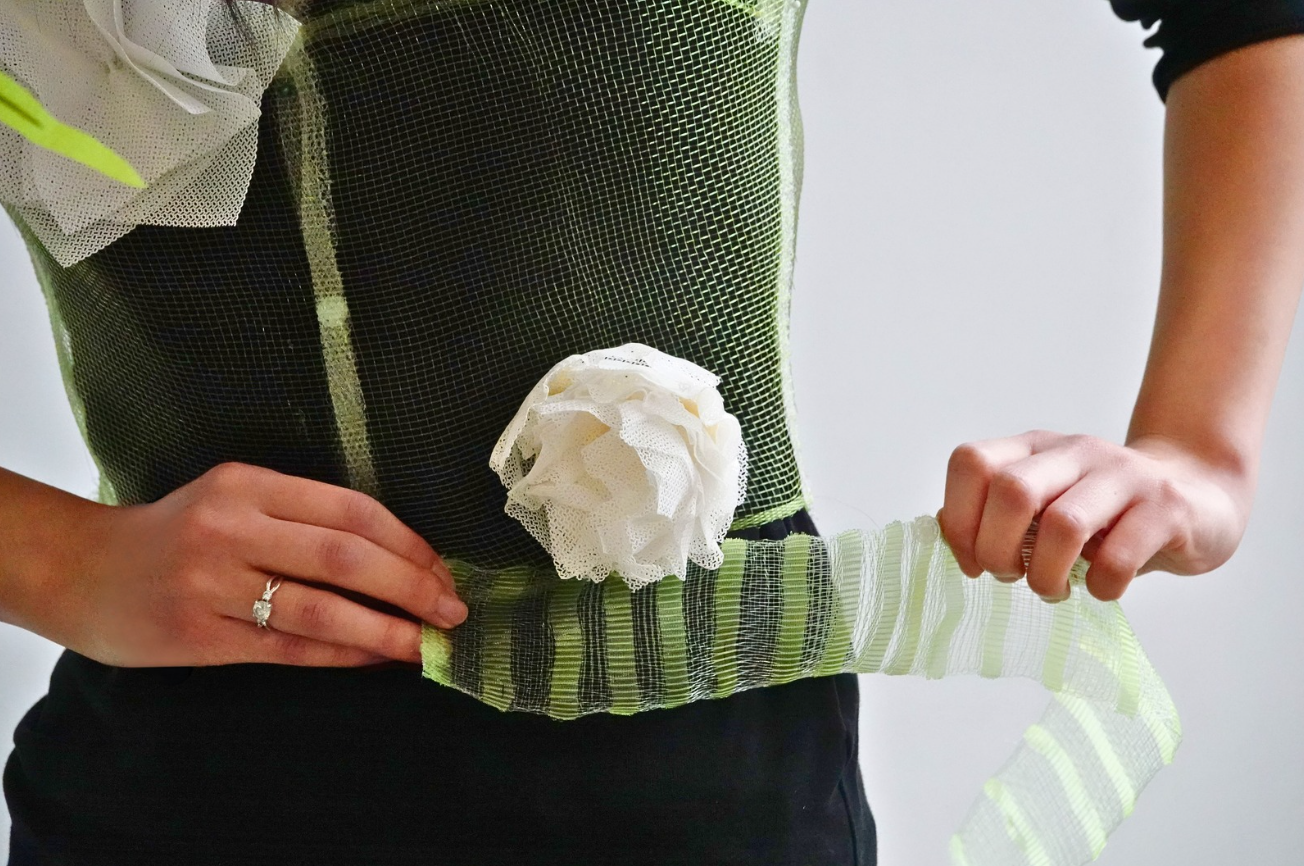
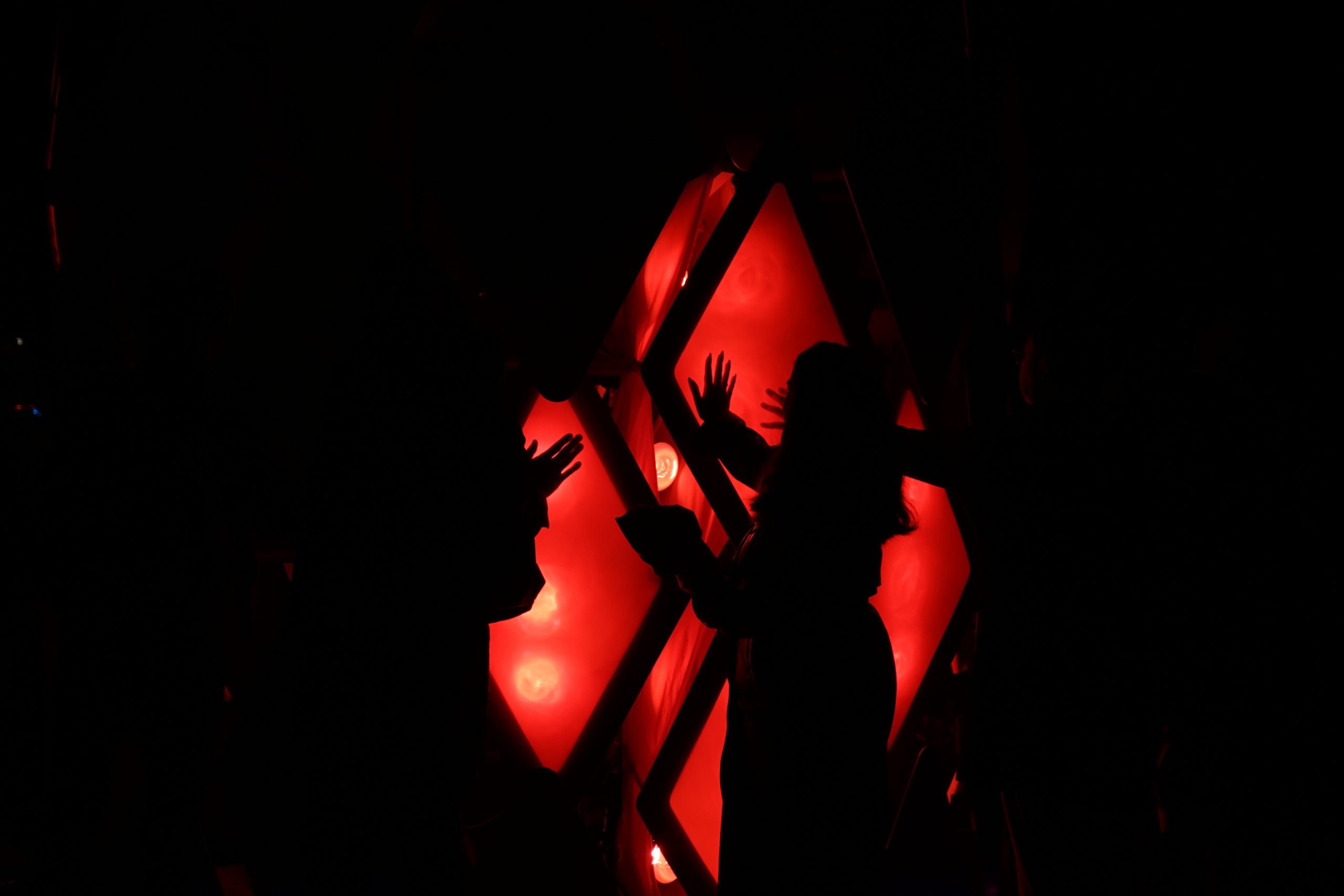
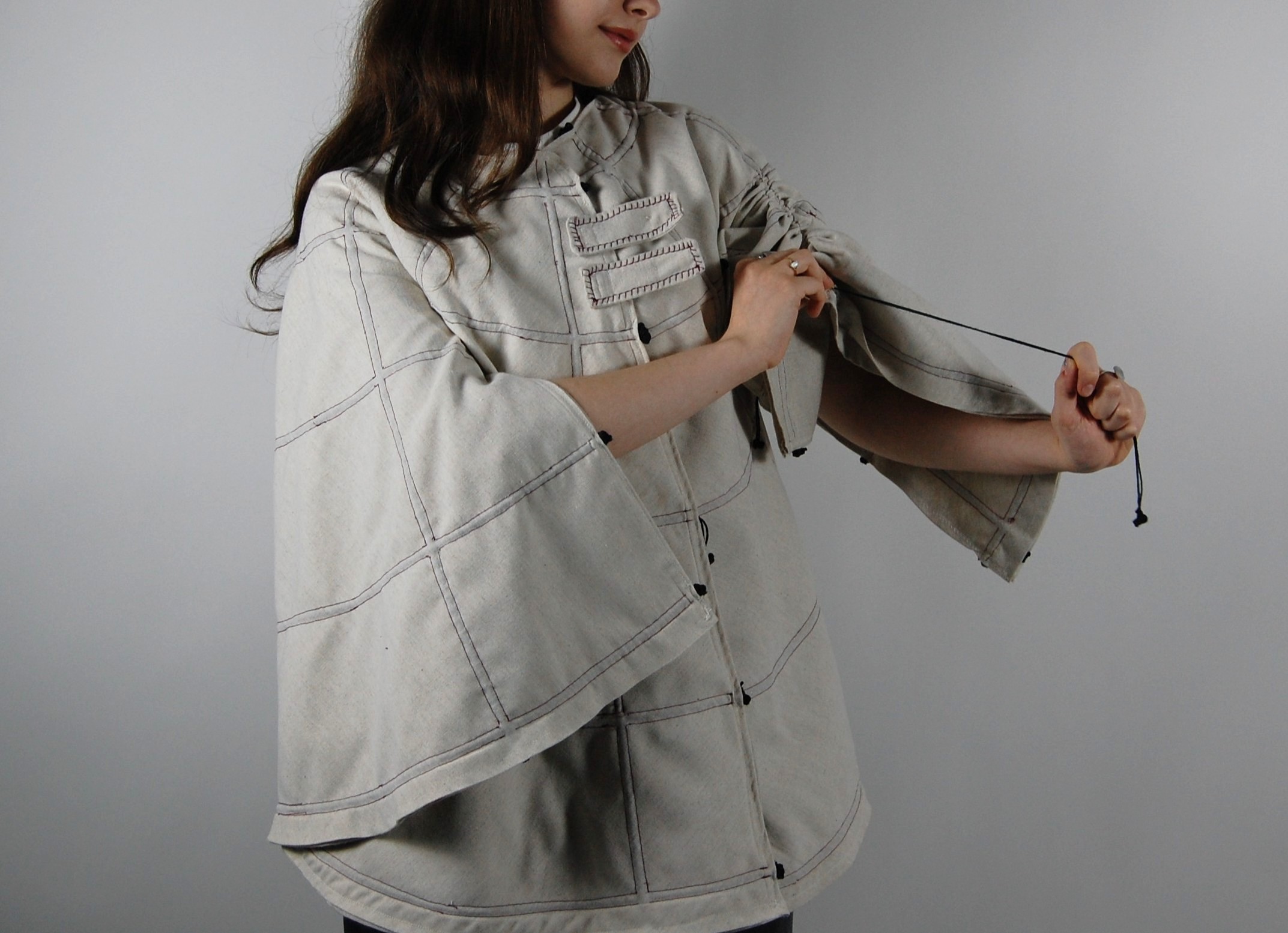
Pictures by (left to right): Zyfn Kothavala, Povilas Kulis, Sterre Muijlwijk
*hover me*
*hover me*
TECHNOLOGY & REALIZATION
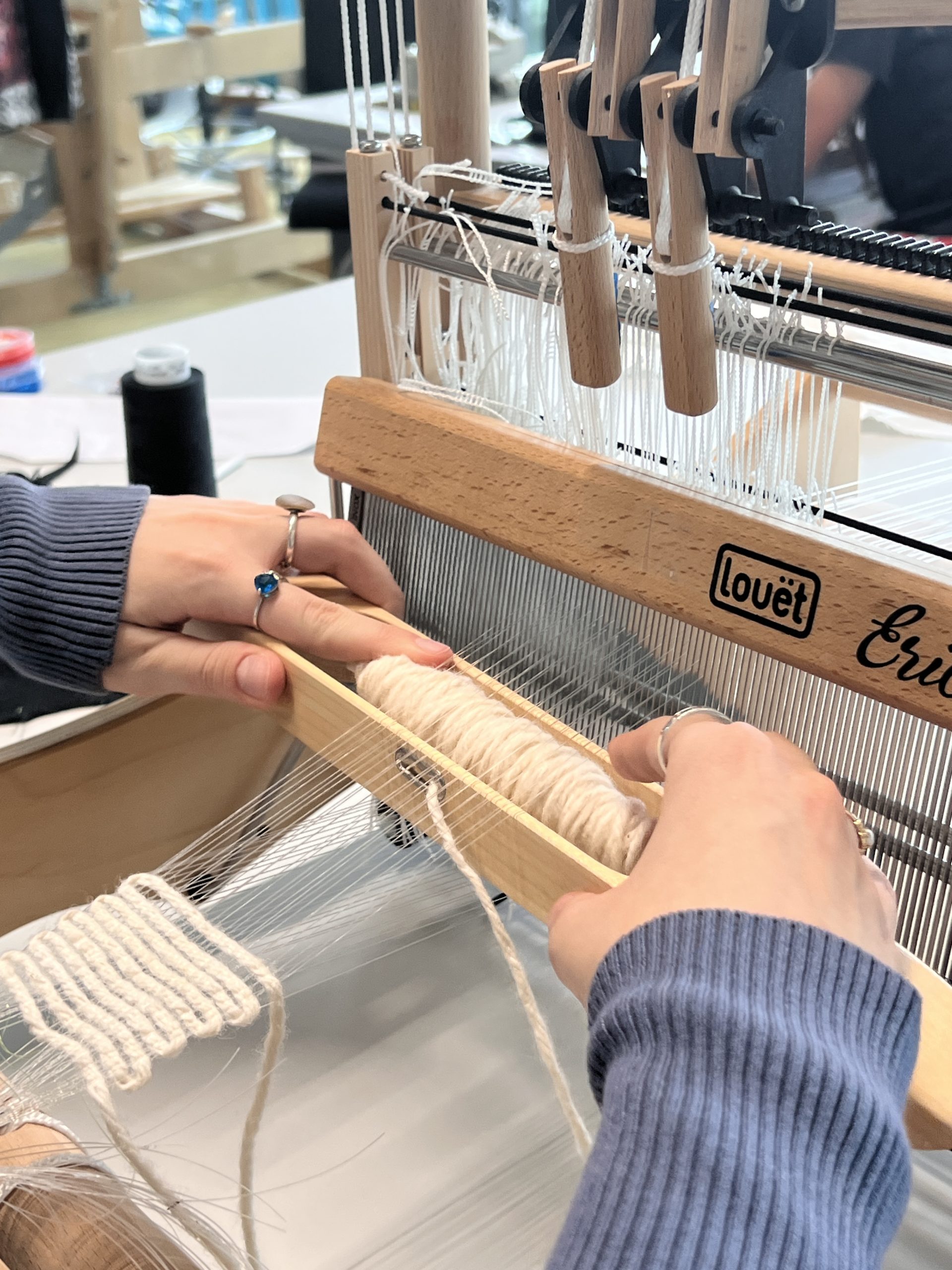
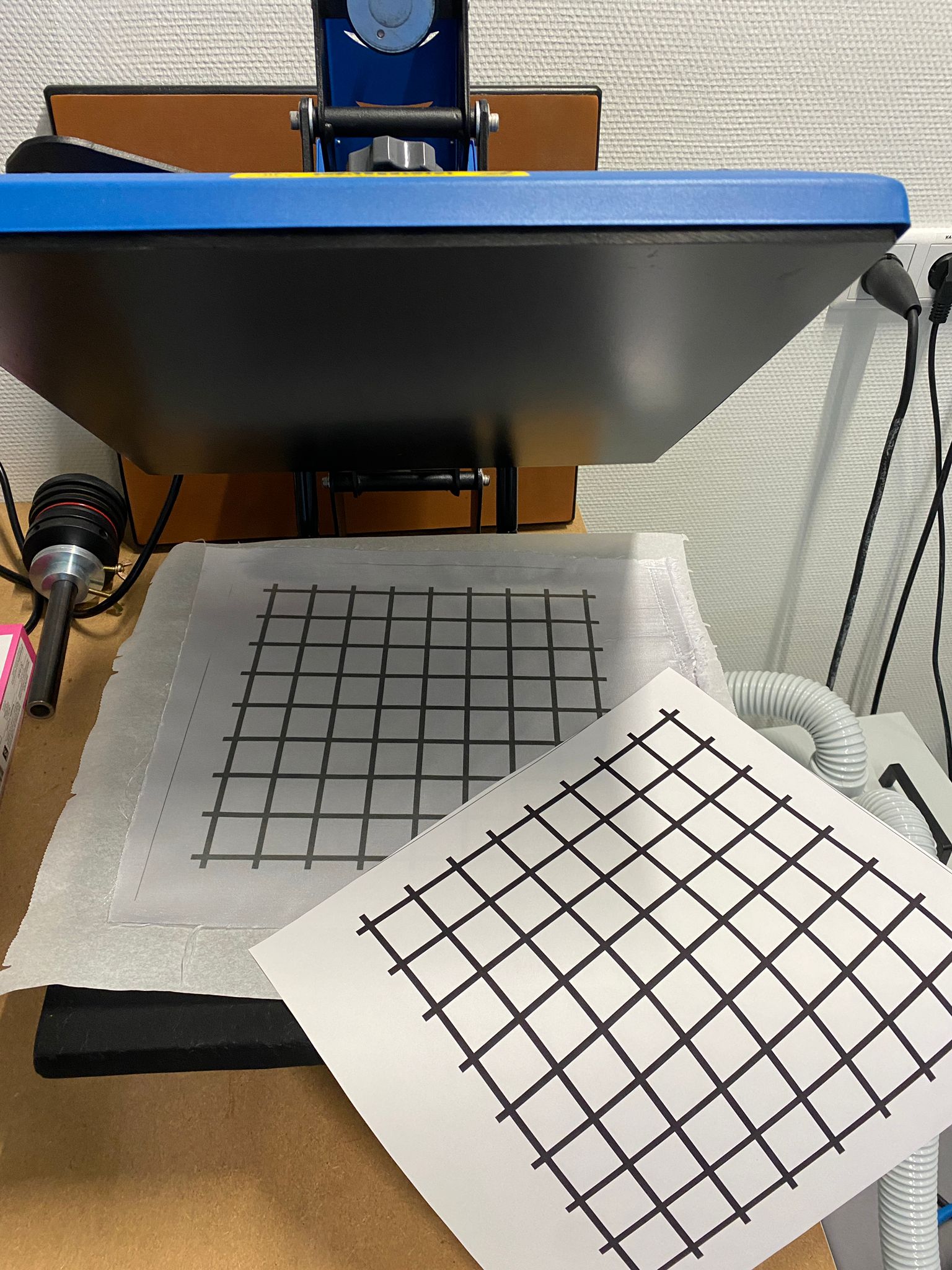
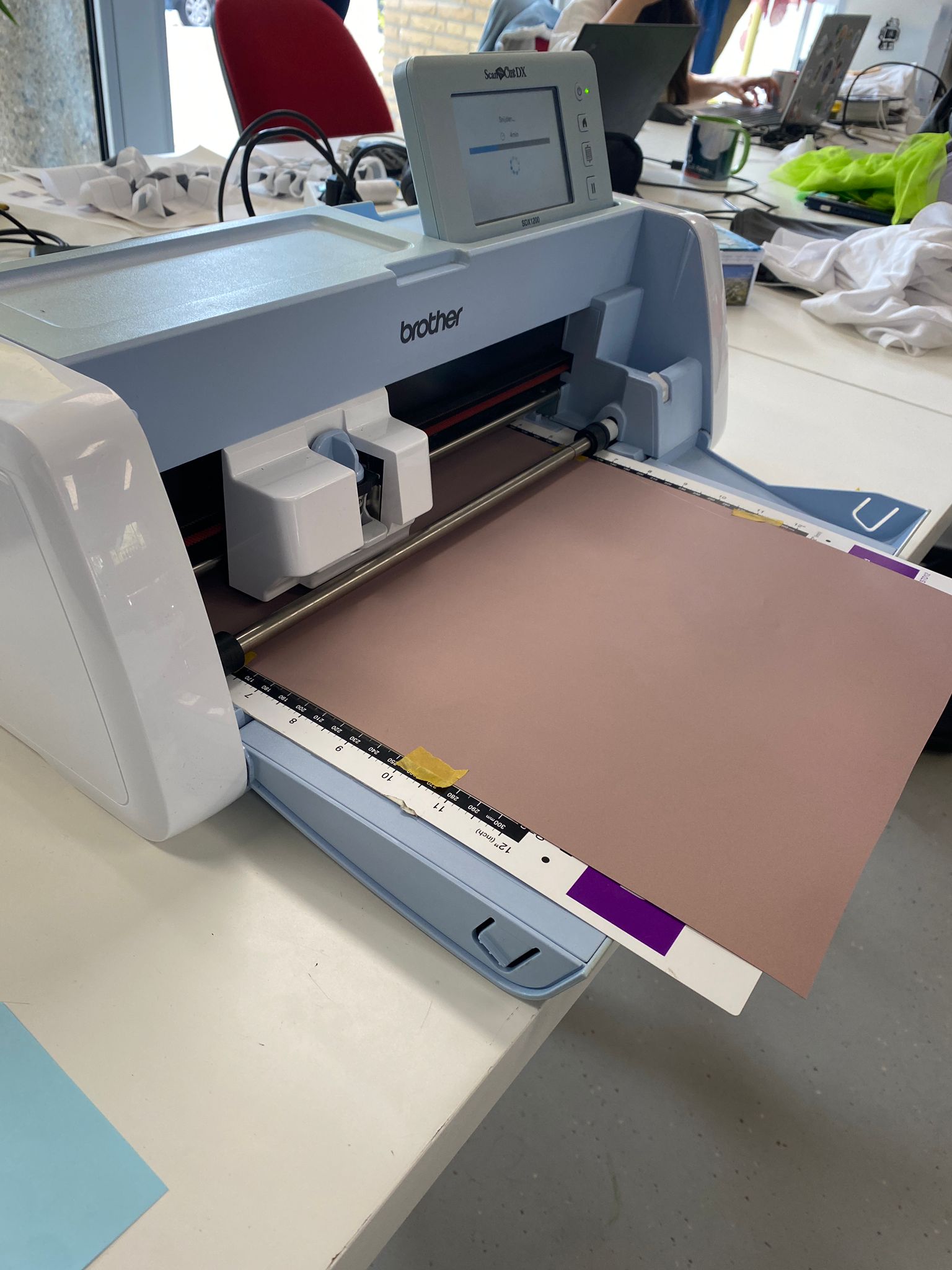
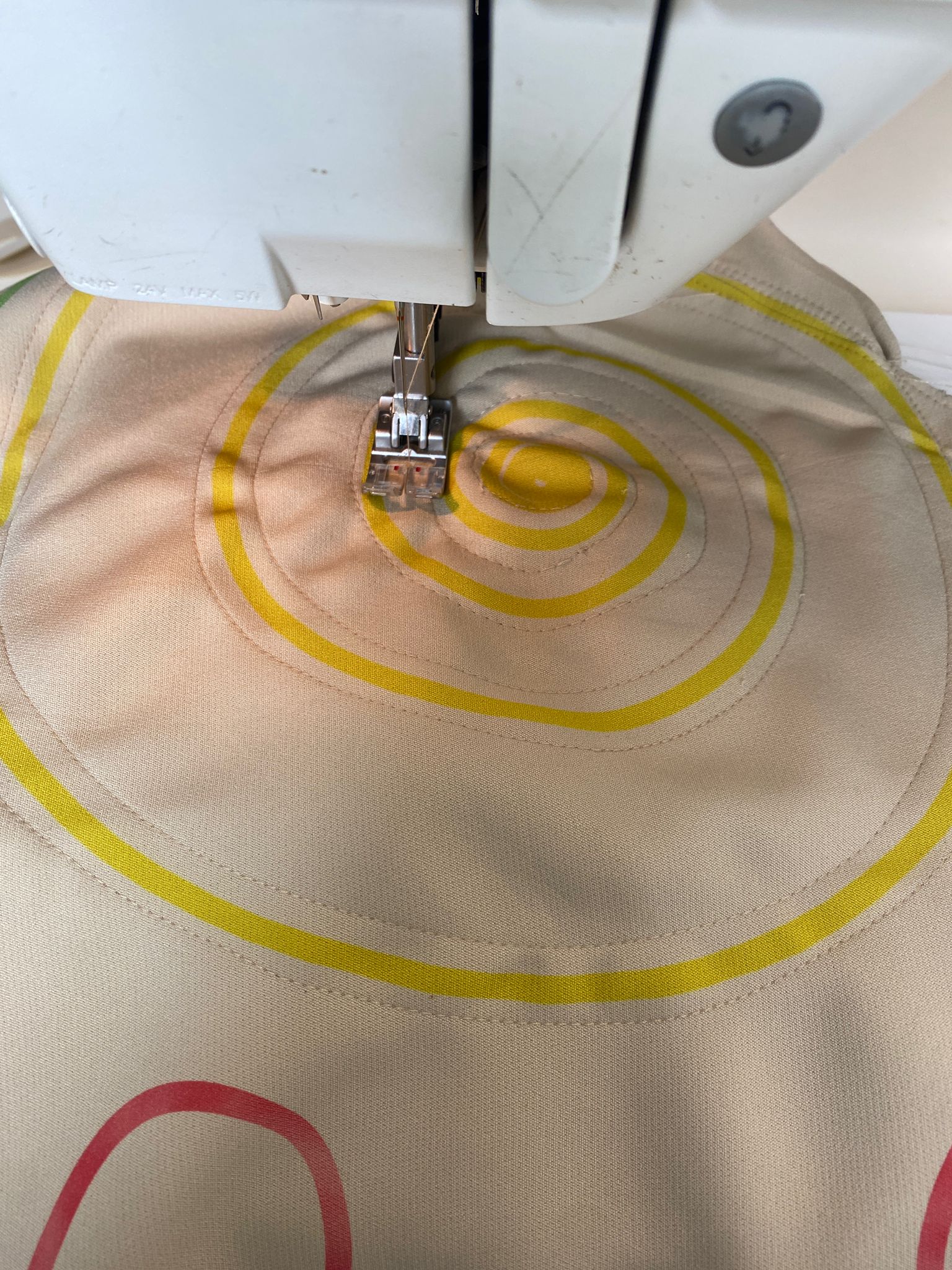
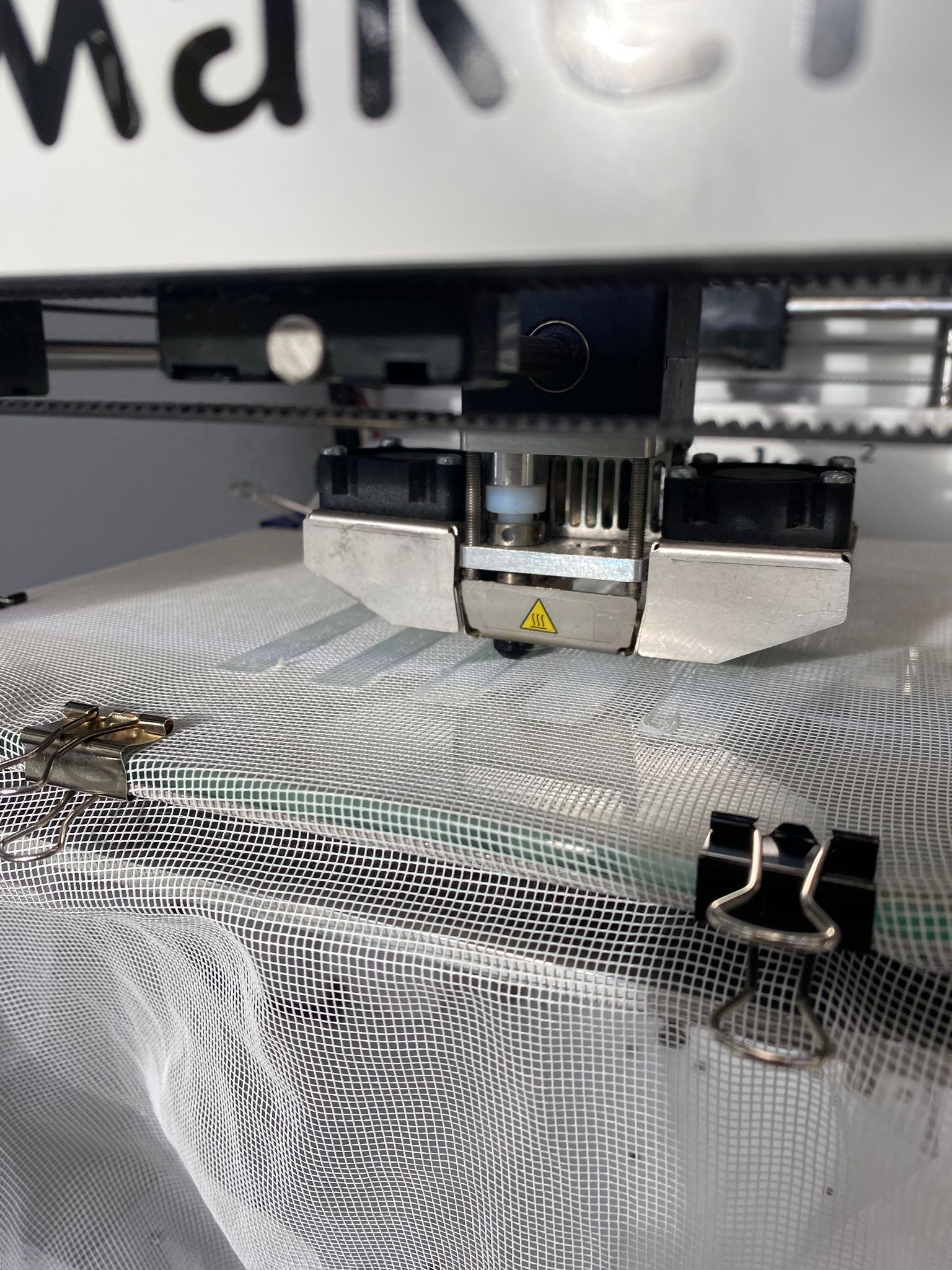
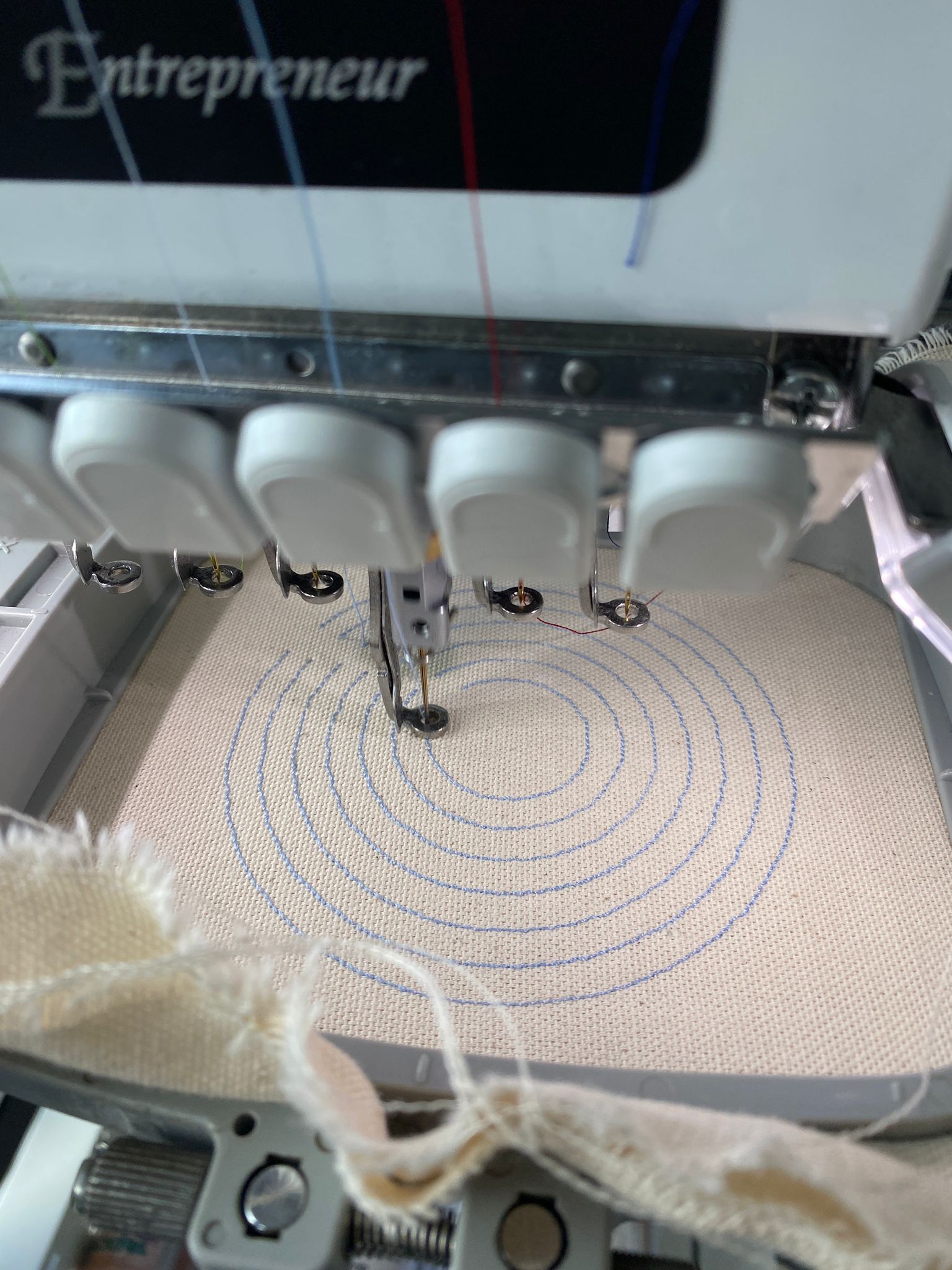
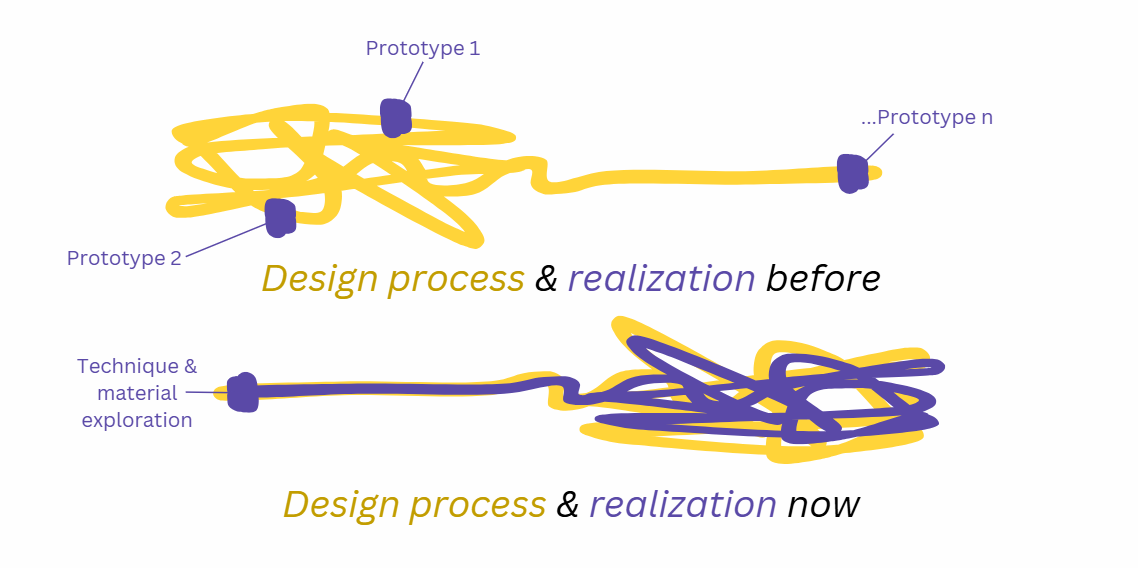
For a long time, I thought technology had to be fully understood before it could be used meaningfully. However, my internship at the Fashion Tech Farm taught me that learning through making can itself become a design process. Knowing just enough to get started often encouraged unexpected applications and creative workarounds.
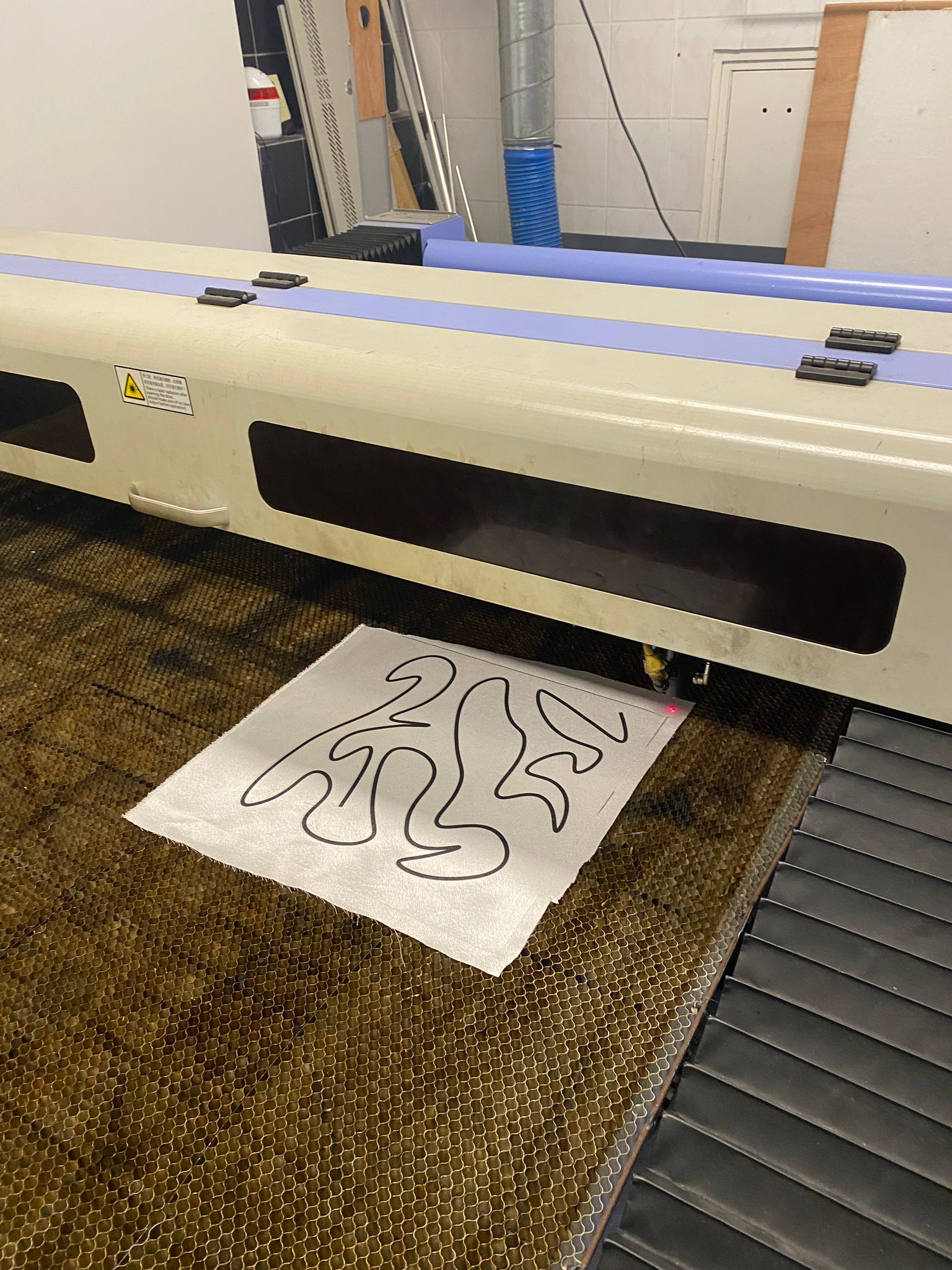
As my interest in textiles became more defined, the technologies I gravitated towards naturally followed. However, I rarely found myself interested in using them for their most obvious purpose. Instead, I became interested in asking what else they could do.
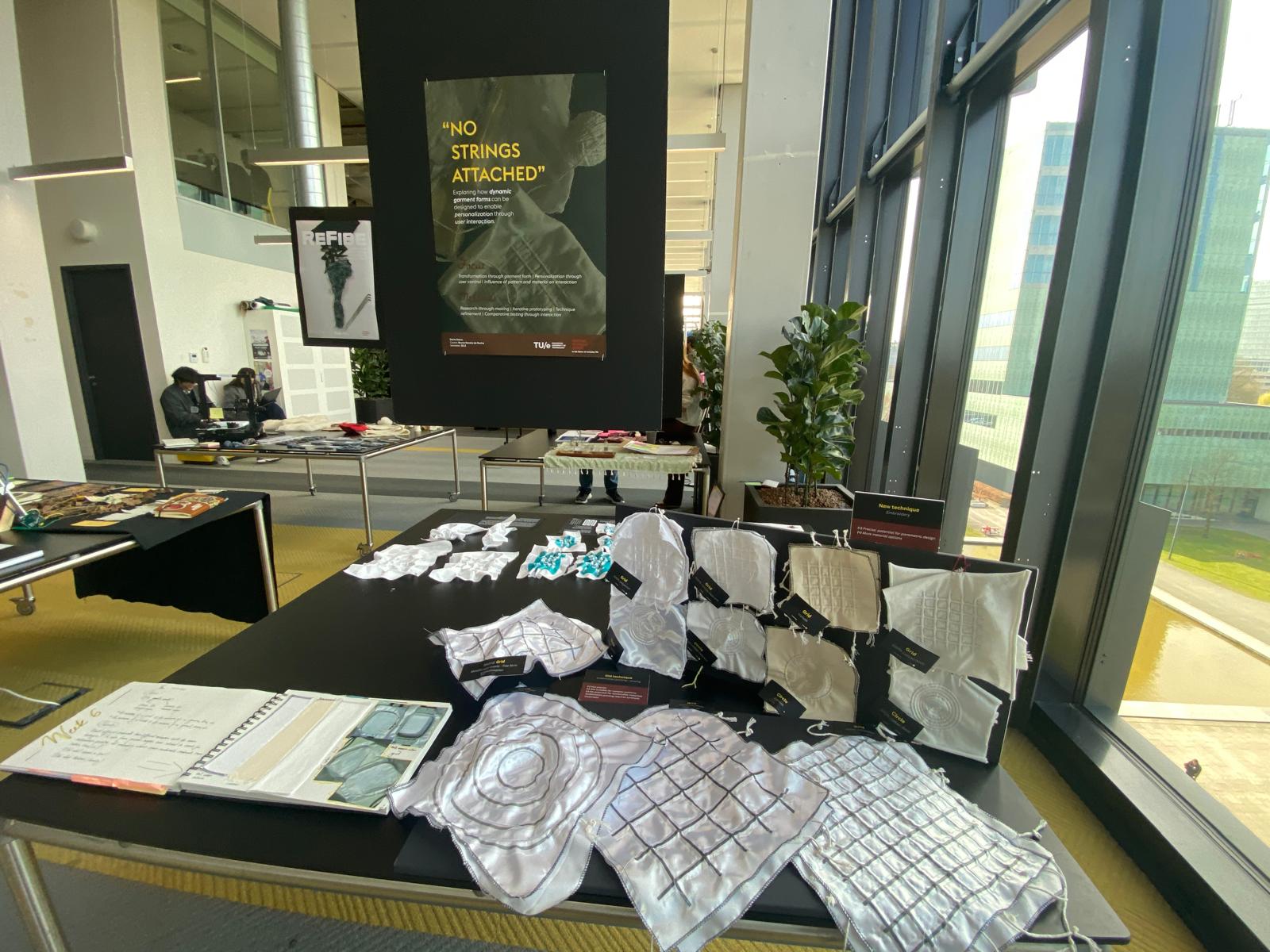
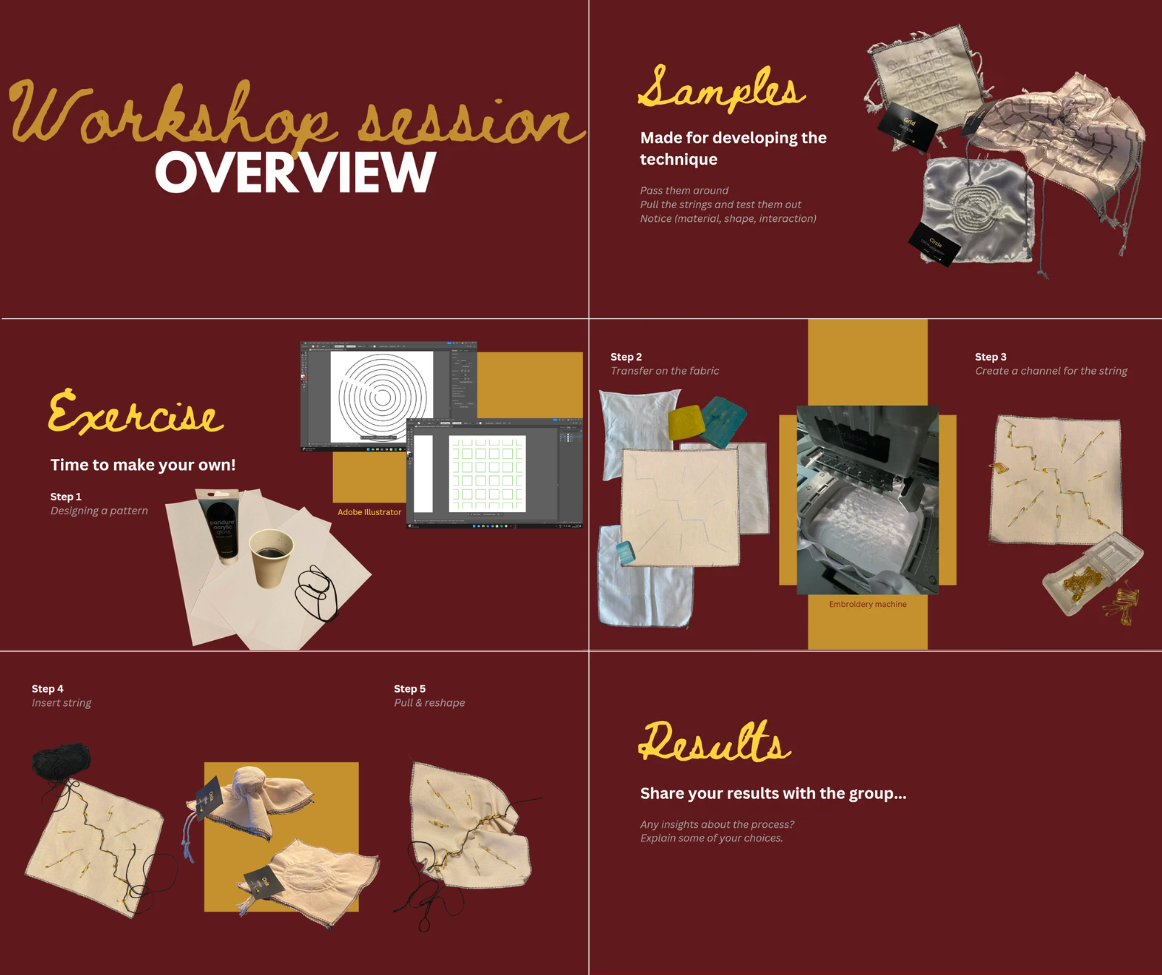
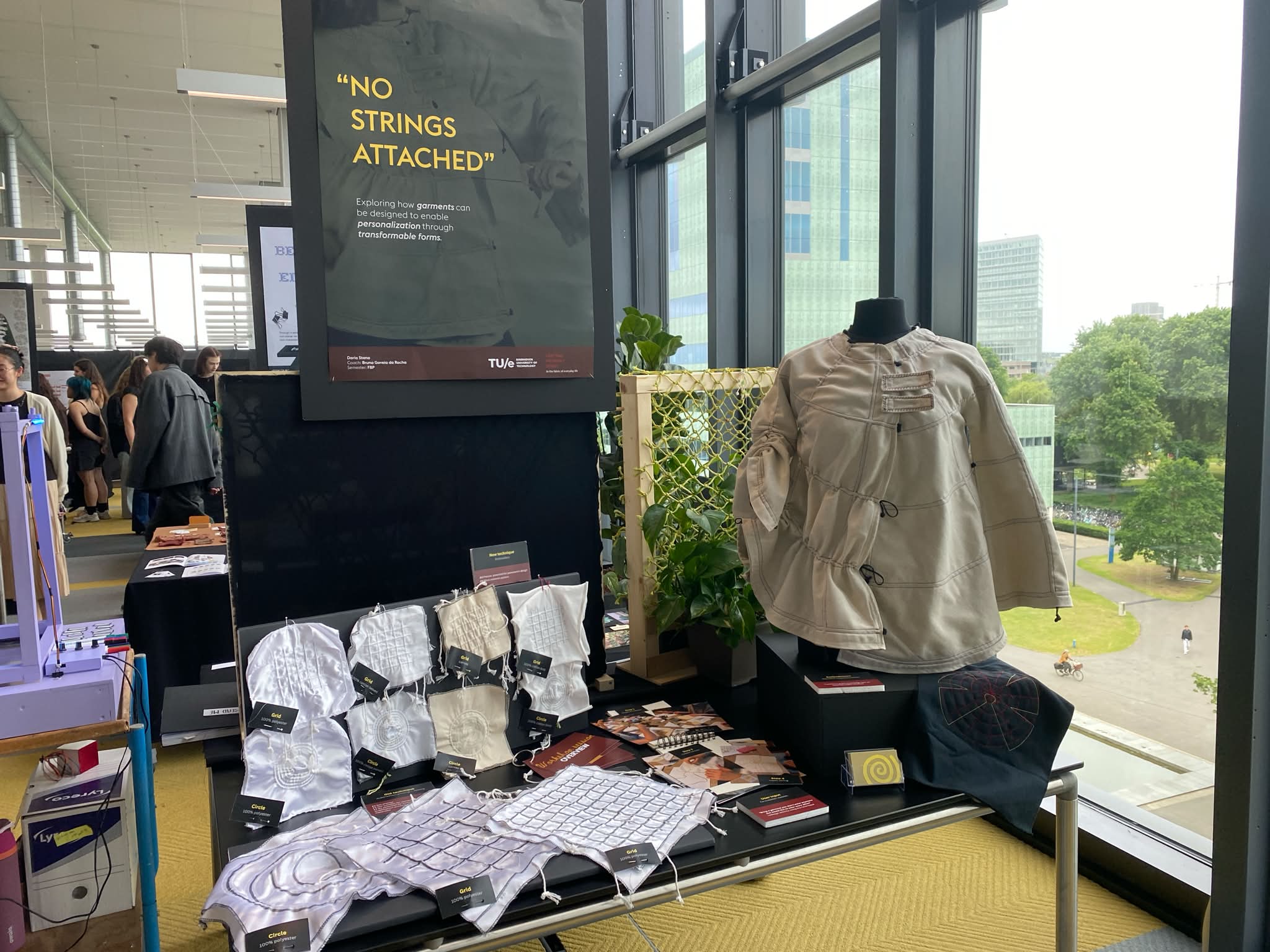
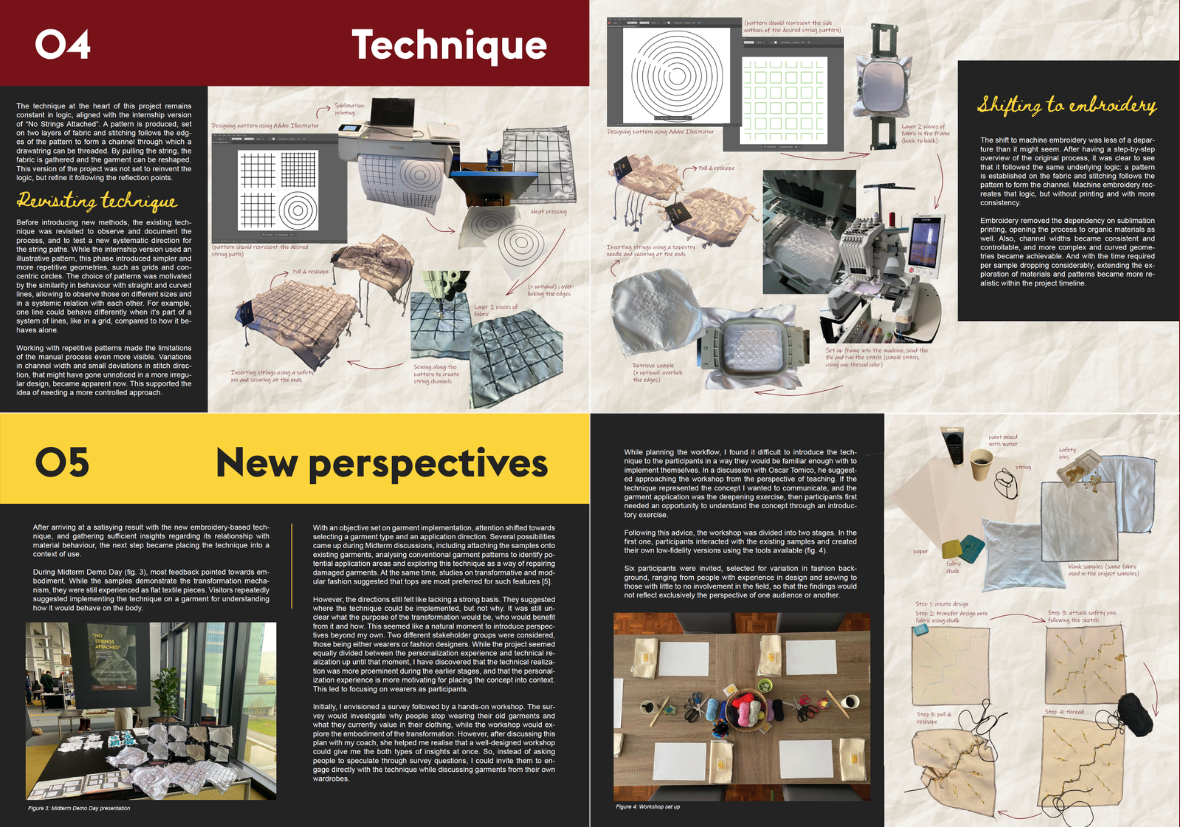
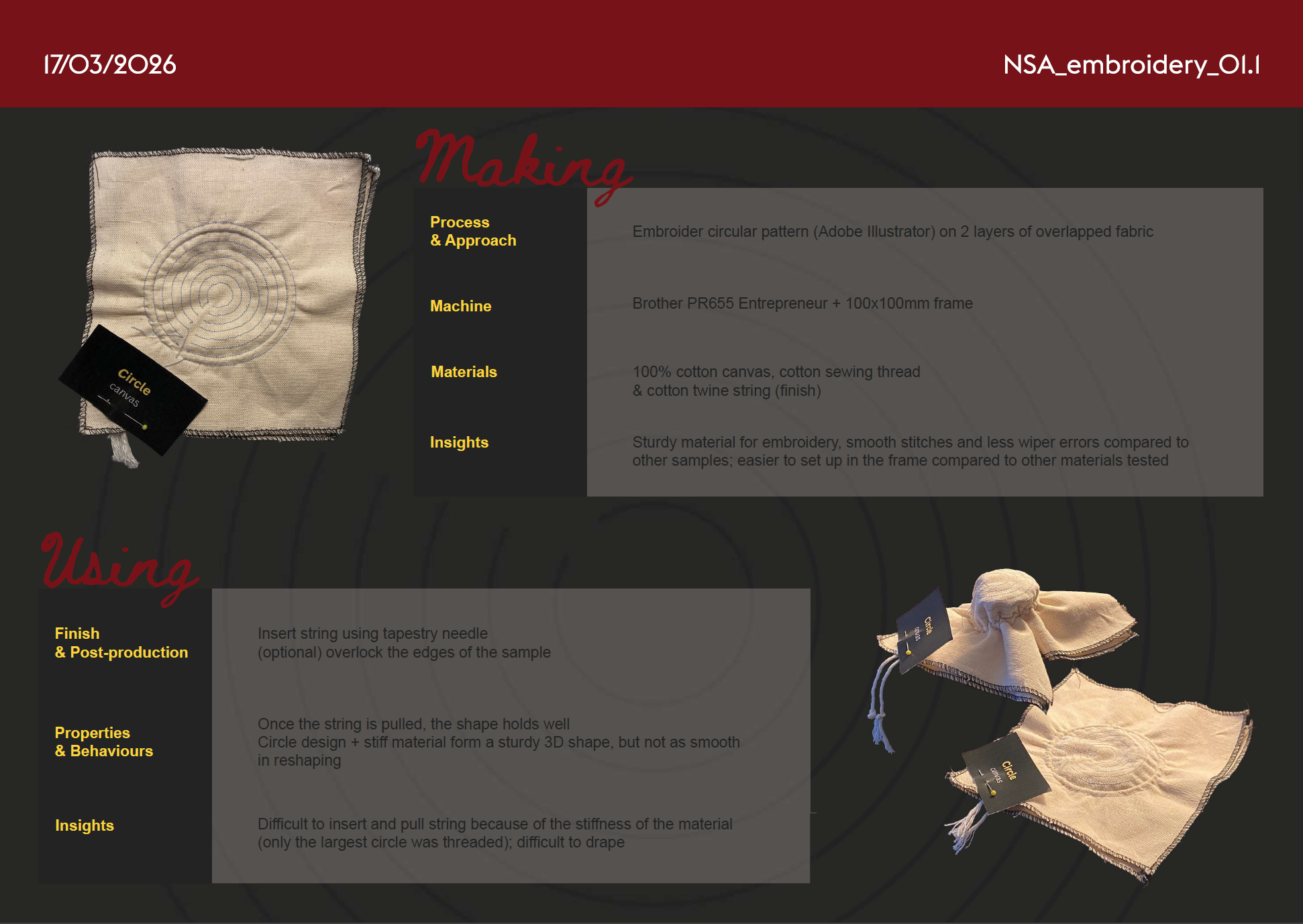
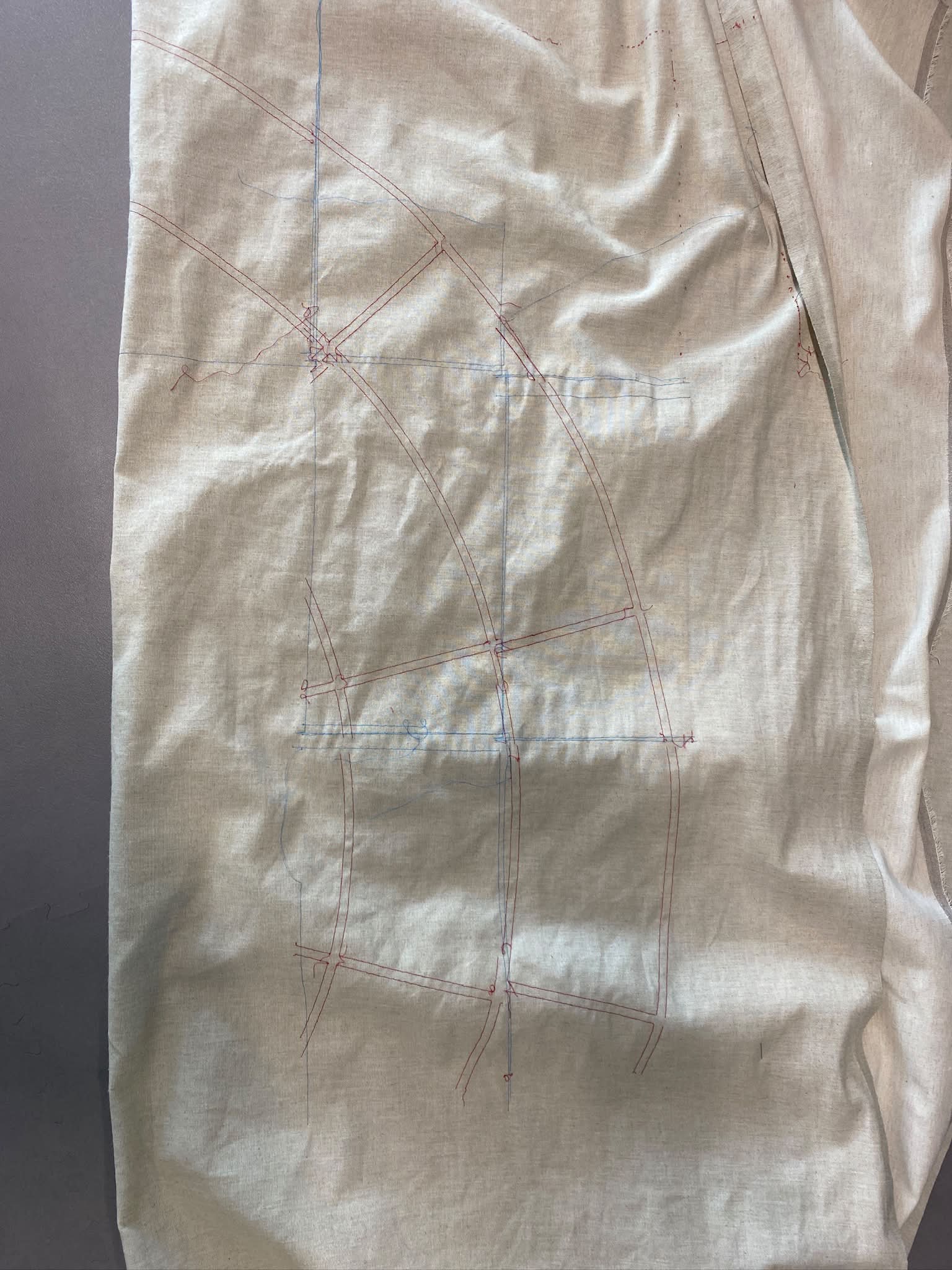
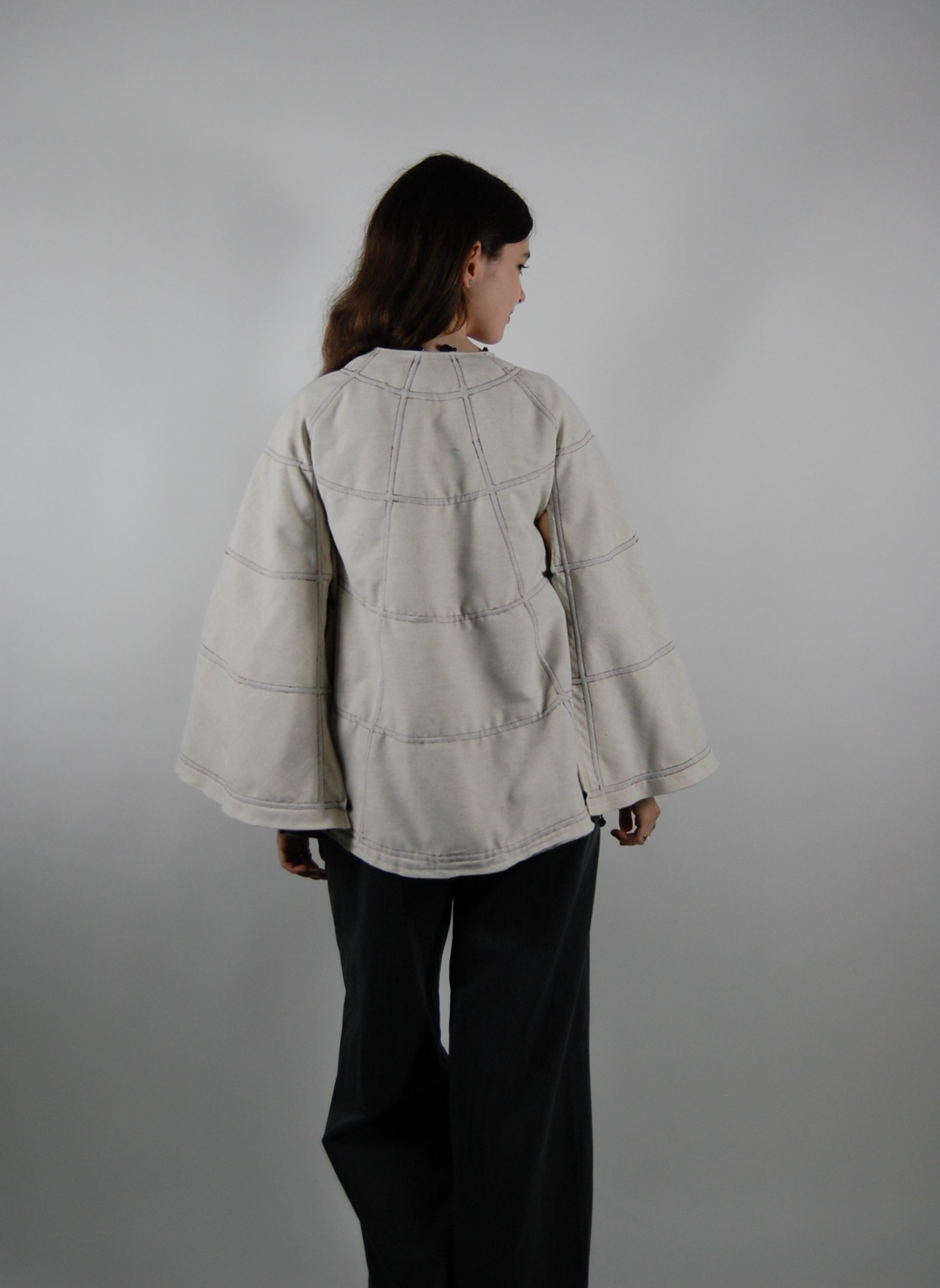
This became especially visible in "No Strings Attached", where embroidery was explored not as decoration, but as a functional technique supporting garment transformation.
For me, Technology & Realization is not only about producing artefacts, but about using materials, technologies and fabrication processes as drivers for generating ideas.
MATH, DATA & COMPUTING
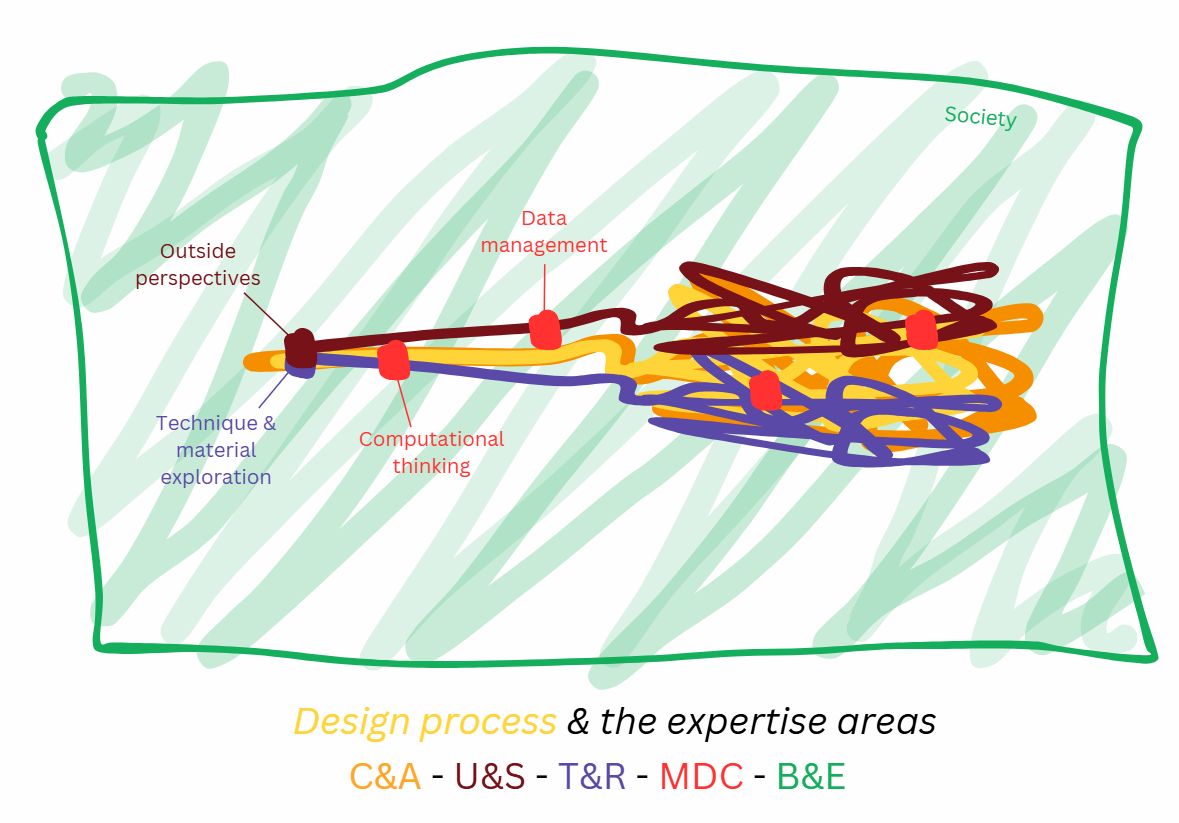
I initially associated Math, Data & Computing with numerical values, sensors and spreadsheets, making it difficult to see its relevance to my largely qualitative design practice. Over time, I realized that data is simply information that is collected, organized and used to support decisions.
This perspective made me more attentive to how I document observations, structure workshop insights and communicate findings throughout a project.
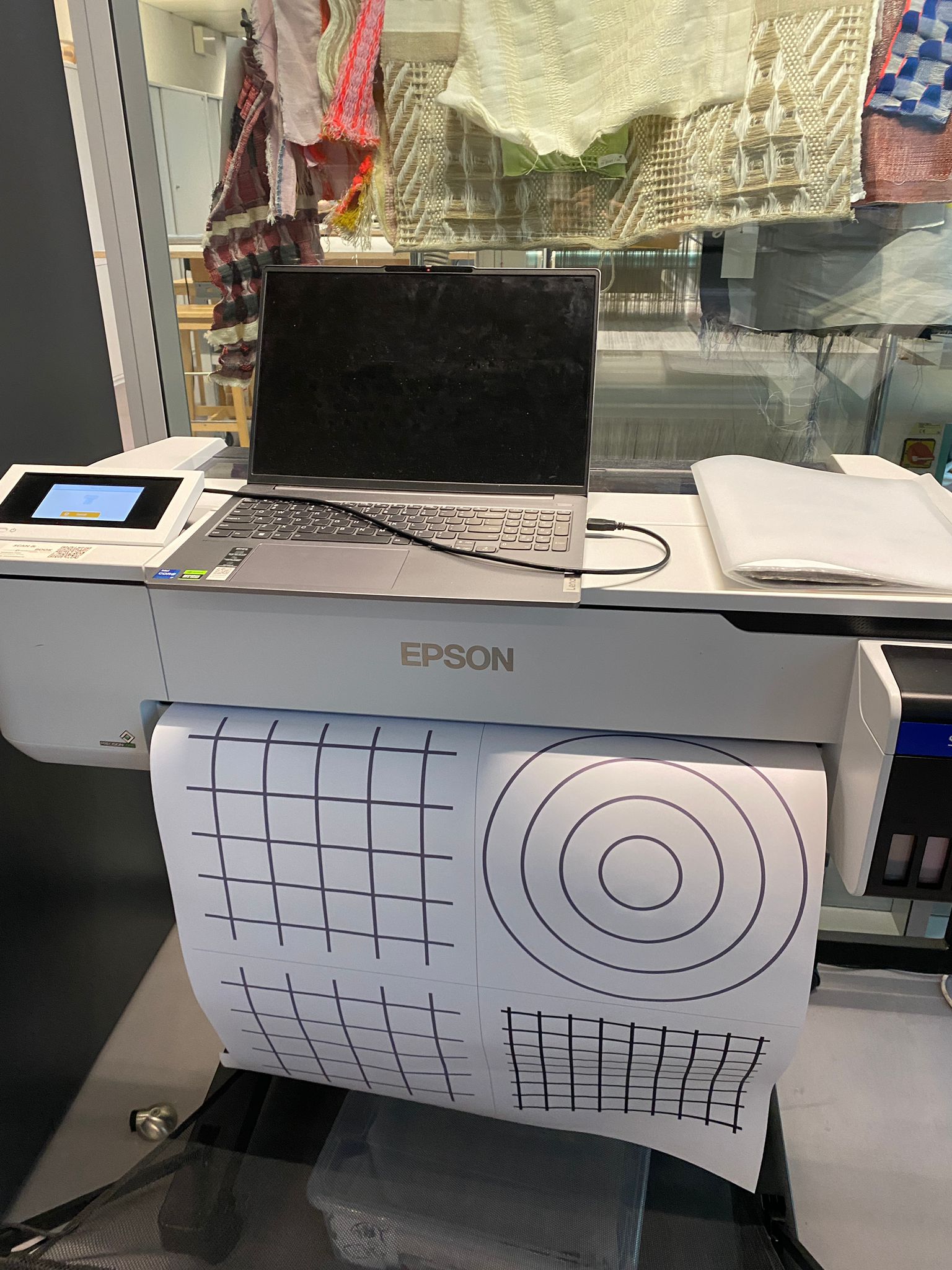
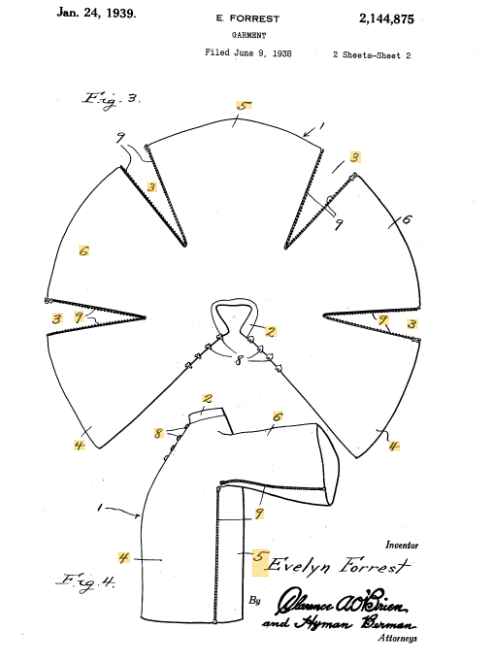
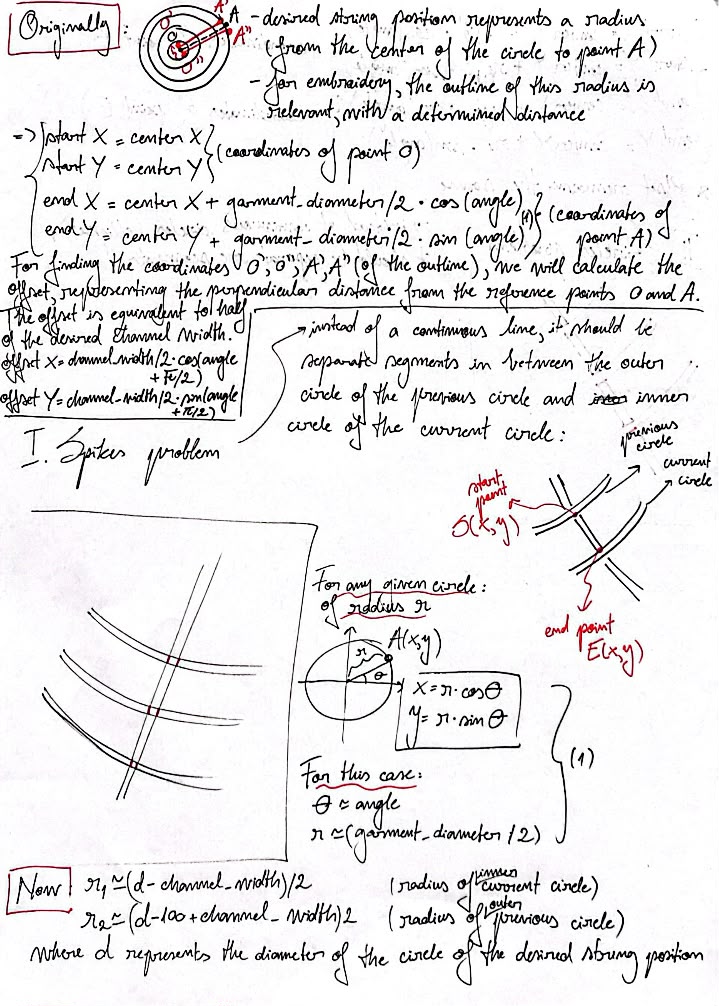
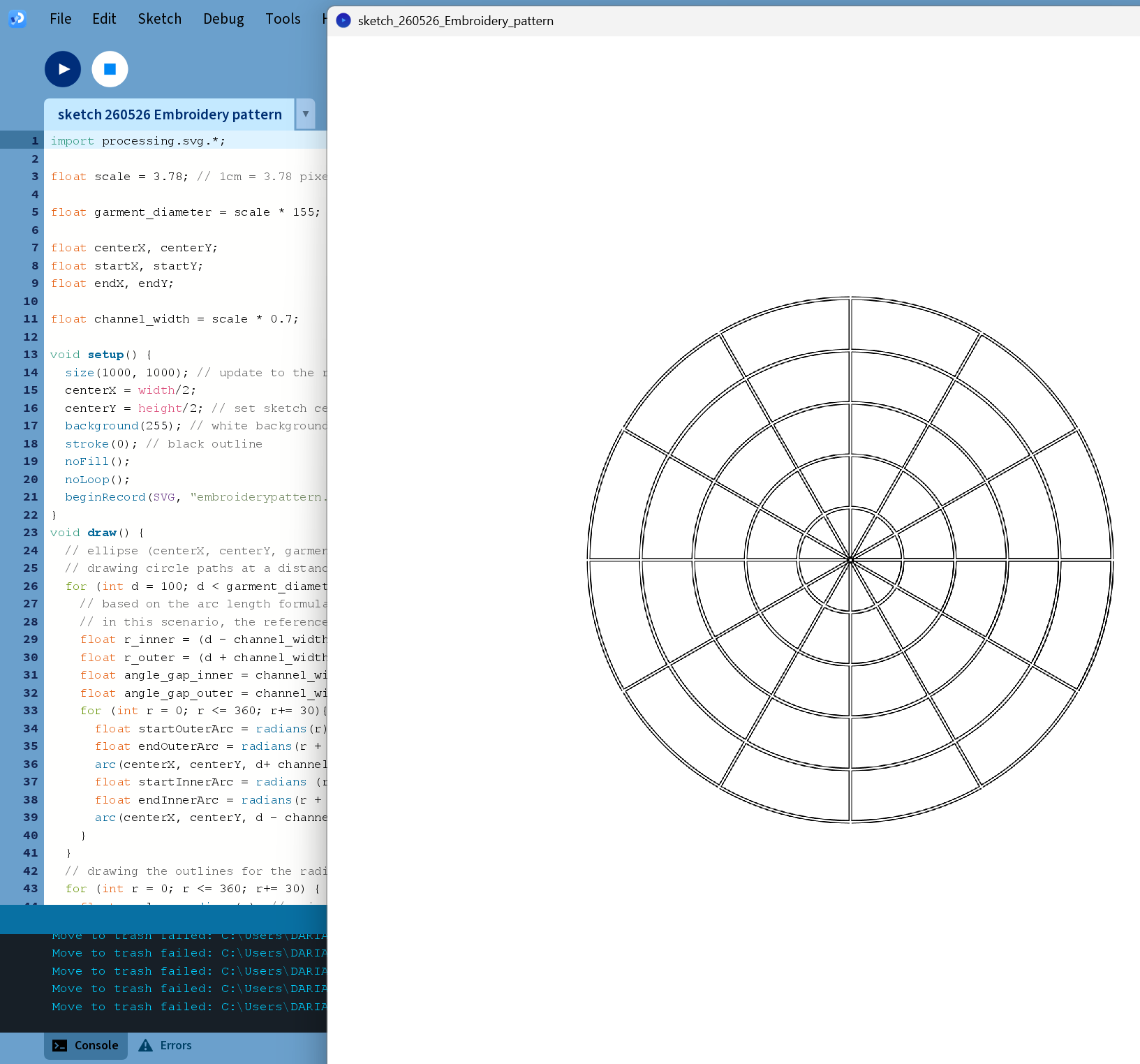
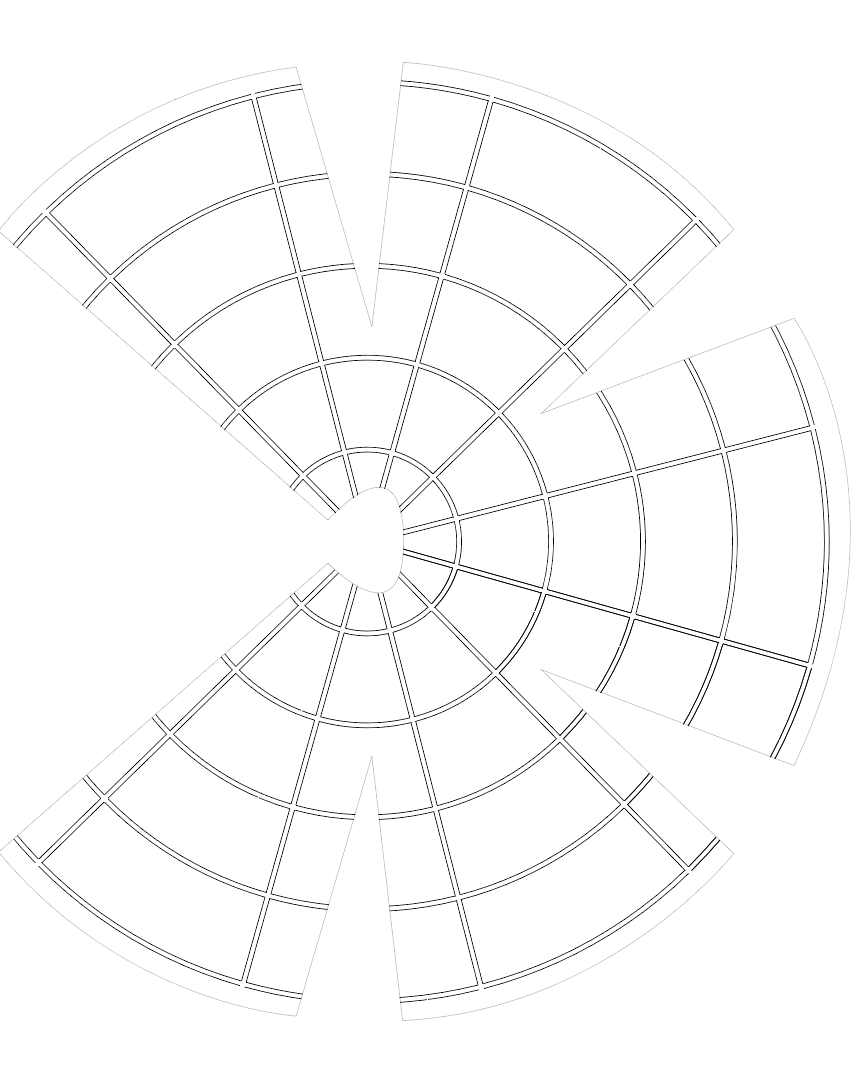
Alongside data management, computational thinking became increasingly relevant within my practice. Through creative programming and parametric design, I learned how structured and mathematical approaches can support fabrication.
Now, MDC represents a quiet approach to tackling complexity in a structured way. Whether documenting observations or generating fabrication patterns, it helps me make sense of the large amount of knowledge that accompanies a design process.
*hover me*
BUSINESS & ENTREPRENEURSHIP
Business & Entrepreneurship remains one of the expertise areas I find most difficult to describe through concrete skills. It developed less through specific methods, and more through a shift of perspective.
Throughout the bachelor, and particularly during my internship, I became increasingly aware that a design does not exist in isolation. Once brought into the world, it becomes part of a larger network of stakeholders, production processes and opportunities. This shifted my attention from the artefact itself towards considering how concepts could be communicated, adopted and further developed.
While I still see room for growth in this area, I now approach Business & Entrepreneurship as a form of situational awareness, through understanding where a design sits, who it affects and what is needed for it to exist beyond the project itself.
DESIGN RESEARCH PROCESSES
Design research sits at the center of my practice, connecting making, user perspectives and concept development. Throughout the bachelor, I increasingly gravitated towards research-through-making, using materials and technologies not only to realize ideas, but also produce knowledge.
One of the most important lessons I learned was that exploration does not equal complete openness. During earlier projects, I often associated research-through-making with keeping all possibilities available for as long as possible. This made it difficult to understand what I was actually investing throughout the process and why.
Over time, I realized that exploration becomes more meaningful when guided by a clear focus. During my internship, I began using broad themes, in that case transformation, to anchor my exploration, allowing the process to remain open while still moving towards a purpose.
The FBP deepened this understanding. I became increasingly aware of how strongly research framing and making activities influence one another. Even the smallest change in formulating the research question resulted in significant shifts in direction.
I now approach research-through-making as a dialogue between exploration and direction, where the challenge is continuously defining what knowledge is worth pursuing.
PERSONAL & PROFESSIONAL SKILLS
Through activities such as the elective Designing Connected Experiences, my first ID group project in a while, and multidisciplinary collaborations such as the GLOW project within Team IGNITE, I became more aware of my position within teams. These experiences made recurring strengths more visible, particularly in leading design research activities, shaping user experience decisions and articulating the core concepts of the projects.
The FBP offered a different challenge. As my first truly self-directed project, all planning, organization and decision-making became my own responsibility. I realized that planning an individual project requires maintaining direction and motivation independently. Being aware of my tendency to rely on external deadlines, I started creating my own milestones and weekly goals to monitor progress.
Maybe the most important realization was that autonomy does not mean having to work in isolation. While I initially imagined an individual project as a complete creative freedom, I learned the value of actively seeking external perspectives when needed. Whether through squad activities, discussions with experts or co-creation sessions, I became more confident in identifying the people and resources that could help move the project forward, and more comfortable with ceasing creative control.